Guide

PPF vs ceramic coating

These get compared as though they are competing products at different price points. They are not. They are different materials that solve different problems, and picking between them starts with what is actually damaging your car.

The short version

One is armor. One is a surface.

Paint protection film

A thick urethane layer bonded to the panel. It is physically substantial enough to absorb an impact, and its top coat self-heals light marks with heat.

  • Stops rock chips and road debris
  • Light scratches go back out on their own with heat
  • Takes the bug damage so the paint does not
  • Removes cleanly when the car is sold

Ceramic coating

A liquid that hardens into a very thin layer bonded to your paint. It is thinner than a human hair, so it changes how the surface behaves.

  • Water sheets off and carries dirt with it
  • Contamination stops bonding to paint
  • UV protection across the whole vehicle
  • Washing takes a fraction of the time

Where the confusion comes from

Both are sold as "protection." That word is doing too much work.

Impact: film only

A coating is thinner than a human hair. A stone at interstate speed goes straight through it and often all the way into the color underneath. No coating on the market stops a chip, whatever the marketing implies.

Chemistry: coating wins on coverage

Water spots, road grime, birds and sun hit the whole car. Coating the whole car is affordable. Filming the whole car costs a great deal more.

Cost: coating is the entry point

For most drivers a coating is the cheaper first step and covers more surface. Film costs more per panel and is targeted at where impacts land.

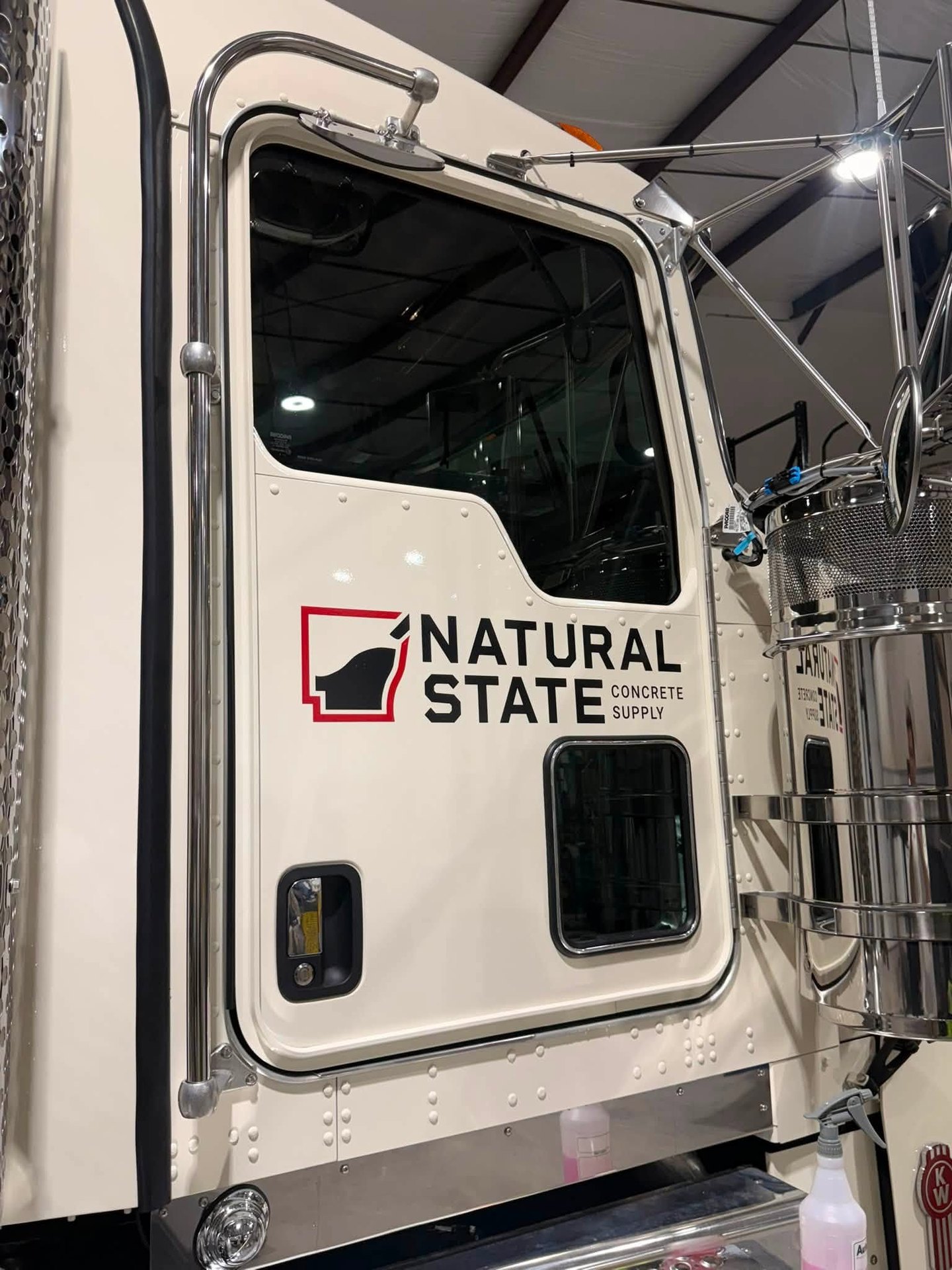
Paint protection film applied to a commercial truck cab at Slick Auto Care in Little Rock AR

What most people end up doing

Film on the front. Coating over everything.

Once you accept that they solve different problems, the sensible answer stops being a choice and becomes an order of operations. Film goes on the panels that take impacts, which is the front bumper, the leading edge of the hood, the fenders, the mirrors and the headlights. Coating goes over the rest of the car, and often over the film as well.

That way the stones hit something that can absorb them, and everything else gets a surface that sheds water and dirt. Both jobs done, neither product asked to do something it cannot.

If the budget only stretches to one, the question we will ask is where your car actually lives. Sixty interstate miles a day is a film problem. A garage-kept car that mostly gets rained on is a coating problem. We would rather ask than sell you the bigger number.
One thing before either

Correct the paint first.

Film and coating are both clear and both last years. Whatever the paint looks like when they go on is what you are keeping. If it is scratched, fix that first.

What paint correction actually does

Film or coating

Quick answers.

If I can only afford one, which should it be?

It depends entirely on what is damaging your car. Highway miles and rock chips mean film. Water spotting, contamination and wash time mean a coating. If the honest answer is that neither is urgent, we will say that.

Can you put a coating on top of film?

Yes, and it is common. The film handles impact, the coating over the top makes both the filmed and unfilmed panels easier to wash and keeps them behaving the same way.

Does film work everywhere on the car?

It works anywhere, but it only earns its money where impacts actually land. Covering an entire vehicle is possible and expensive. Covering the front end is where the value is for most drivers.

Ready when you are

Tell us where the car lives.

How many highway miles, garage or driveway, and what is bothering you about it. That is enough for us to tell you which one you actually need.