1. Deep clean
Wash it, then pull out the road grit that has bonded itself to the paint. Polishing over that grit just drags it across the panel.
Guide
If your car looks fine in the shade and terrible in direct sun, this is the article for you. That difference has a specific cause, and it is not dirt.
Start here
Your paint is really two layers. There is the color, and over the top of it there is a clear layer that everyone calls the clear coat. That clear layer is what you actually see, what holds the gloss, and what takes all the damage. It is also softer than most people assume.
That hazy web of fine circular marks you see when the sun hits a panel is thousands of shallow scratches in that clear layer. Each one throws light back in a random direction, so instead of a reflection you get a dull glow.
They come from washing, overwhelmingly. Automatic tunnels drag grit across the paint on spinning brushes, and a dirty sponge does the same thing more slowly. Almost nobody scratches their paint by driving it.
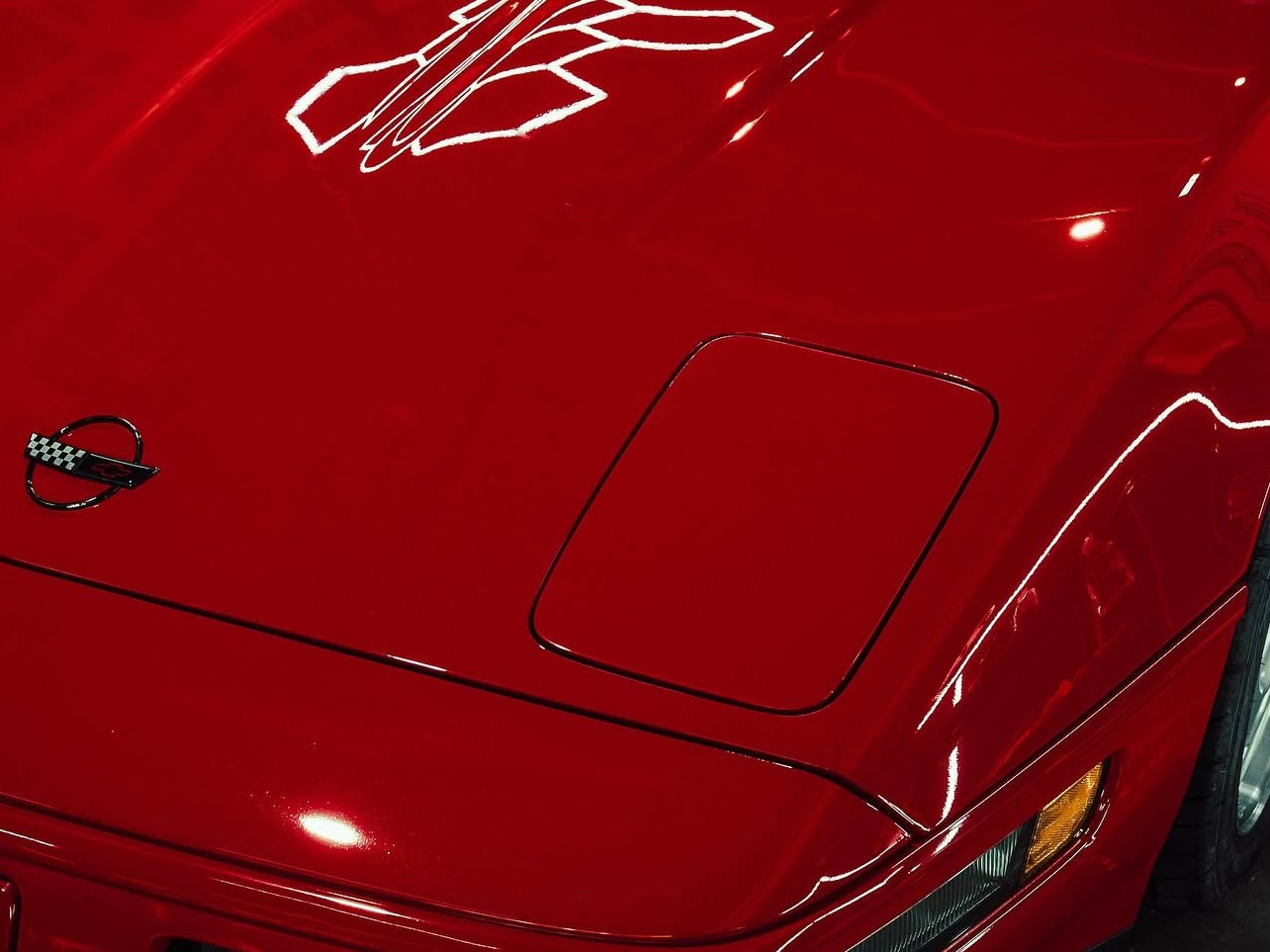
The fix
This is the part that surprises people. Correction does not add anything to the paint. It removes a very small amount of clear coat until the surface is flat again and the scratches are gone with it.
Wash it, then pull out the road grit that has bonded itself to the paint. Polishing over that grit just drags it across the panel.
A cutting compound levels the clear coat, then a finer polish takes out the haze the compound itself leaves behind. Skipping that second step is why some cars come back looking cloudy.
Freshly corrected paint has nothing on it at all. A sealant or a coating goes on next, or you are back where you started.
Every panel only has so much clear coat to give, and correction spends some of it. We measure as we go rather than guessing, and if a panel cannot take a correction safely you hear that before we start.
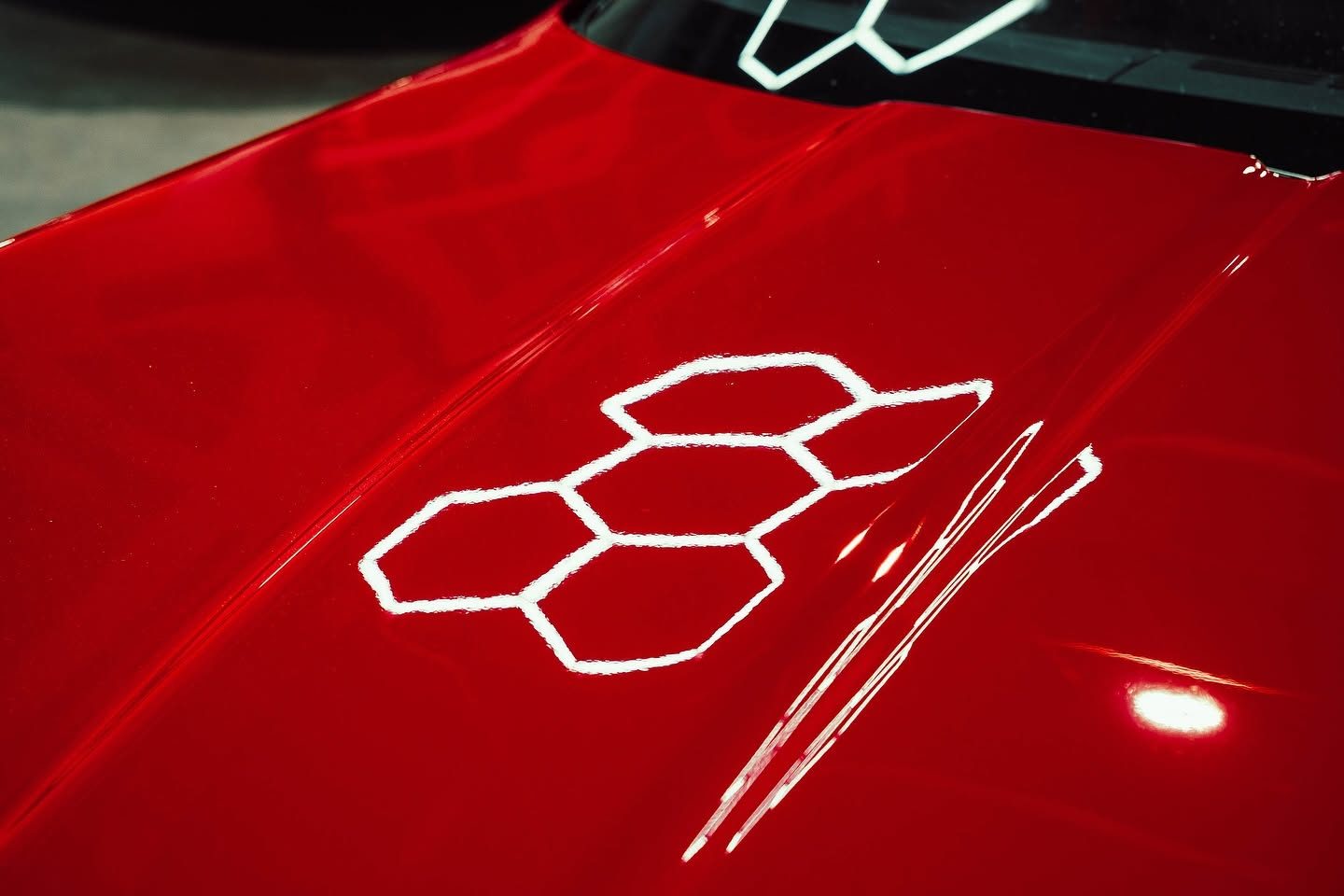
The test you can do yourself
If your nail catches in the scratch, it has gone through the clear coat. Polishing will not remove it, because removing it would mean taking away more clear coat than the panel has to give. That is a refinishing job, not a correction job.
If your nail glides over it, the scratch is shallow and there is a very good chance we can polish it out entirely.
This is genuinely the fastest way to set your own expectations before you call anyone, and it is why we ask for photos. We would rather tell you what is realistic up front than have you disappointed at pickup.
The expensive mistake
This is the single most common way people waste money on paint care, and it is entirely avoidable.
It cures into a hard, semi-permanent layer on top of your clear coat. It is transparent, so everything underneath it stays visible, and it is designed to last years.
If the paint is scratched when the coating goes on, those scratches are now under a hard clear layer that is built to last years. Getting them out later means taking the coating off first. Correct, then coat.
Correction
No. If your fingernail catches in a scratch, it has gone all the way through the clear coat, and the only way to fix that one is to repaint the panel. Most light scratches never get that deep, and those we can polish out.
It takes off a small amount of clear coat, so we measure rather than guess. A car should not be corrected over and over for no reason. That is a normal part of looking after paint.
You do not have to, but a coating locks in whatever is underneath it for years. Put one over scratched paint and you have sealed the scratches in. That is why our coating packages include correction.
Ready when you are
It is the fastest way for us to tell you whether your paint needs a single-step polish, a full correction, or nothing at all.
Know what you want? Book online